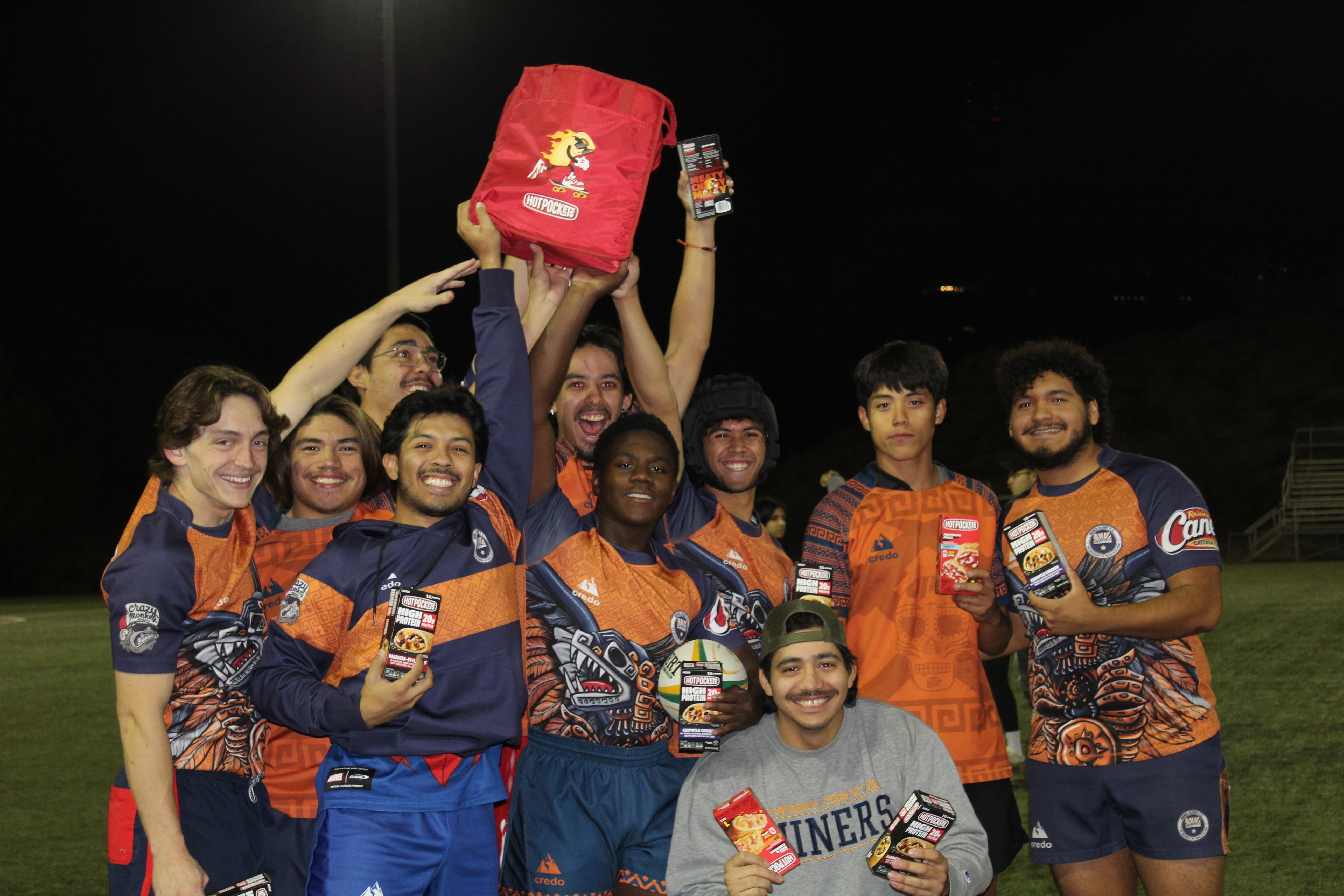
A campus sampling agency puts a brand's product in students' hands on many campuses in the same week, without the brand team touching a receipt, an event approval, or a social post. For frozen meals, that has meant Ambassadors buying product at a store near campus and handing out unopened, uncooked samples at Greek organizations, student clubs, and campus events. For a shelf-stable snack, it has meant cases shipping from a warehouse. Either way, the brand is not running the night.
Students in the room rarely think of it as a marketing event, and that is the point. It is also why choosing a campus sampling agency is a different decision than booking a demo crew for the grocery store.
What a campus sampling agency actually does
Sure, the short version is "people hand out samples at colleges." The fuller version is that a campus sampling agency takes ownership of every step between a brand's warehouse and a student's first bite or sip, then reports back on what happened.
It starts with planning: which campuses fit the brand's retail footprint, what kind of student should represent it, how much product is needed, and which results leadership will judge the program on. Then comes recruiting, which at EvolveZ means a social media audit, an availability check, and an interview for every Ambassador candidate. Then logistics, meaning product delivery, event approvals through university channels, and inventory tracking. Then the sampling itself, plus the social content that follows. Finally, reporting, every week, in a format a brand manager can take into a leadership meeting without rebuilding it first.
A generalist sampling company may be built to staff grocery demos across hundreds of cities, and that is a real service. Campus is a different beast. Event approvals typically run through student affairs offices and student organizations, the best moments happen inside communities rather than in front of them, and the people sampling are students themselves. A campus partner should show how it handles all three.
Getting product to campus is harder than it looks
What happens when a case of frozen meals lands at a dorm with no freezer? Logistics is where campus programs quietly succeed or fail, and it is the first thing worth pressing an agency on.
For shelf-stable product, a warehouse model works well. On the Doritos program, EvolveZ handled product fulfillment through our 3PL warehouse across four consecutive semesters of nationwide sampling, which took real pressure off the Frito-Lay sample fulfillment team.
Frozen food needed a different answer. For Nestlé's Tapatío frozen meals and the new High Protein line from Hot Pockets, shipping samples to students was never realistic. Instead, Ambassadors bought product from local retail partners, were reimbursed through the program, and handed out unopened, uncooked samples at Greek organizations, student clubs, and campus events. Ambassadors were selected partly on how close they were to stores that carried the product, so every sample pointed back to a shelf a student could walk to the next day.
That kind of solution does not come from a rate card. Brands should ask how an agency would get their specific product to campus, whether through a 3PL, retail pickup, or the brand's own fulfillment, and what happens when a shipment runs late or an event gets moved.
The Ambassadors are the program
Who better to hand a student a new snack than another student? The quality of any campus sampling program comes down to its Ambassadors, which is why the recruiting and management model deserves more attention than the activation menu.
At EvolveZ, Ambassadors work as 1099 independent contractors. We recruit, contract, train, manage, and pay them, so the brand is not inventing a student payment process or chasing paperwork across forty campuses mid-semester. Every cohort goes through a brand training before sampling starts, and Ambassadors are paid for completed tasks, which keeps everyone honest about what actually happened on each campus.
Good Ambassadors also know that sampling is not just a folding table outside the student union. High-traffic tabling has its place when a brand needs volume, but some of the best trial happens in smaller rooms: a Greek chapter event, a residence hall program, a club meeting, a themed night friends actually want to attend. OLIPOP's program leaned into exactly those settings, and we wrote about one of those nights, a Galentine's photoshoot at a sorority, in our guide to product sampling on college campuses. It is the same idea behind sampling as an experience rather than a handout.
Then there is content. Ambassadors post on TikTok and Instagram, and every post is reviewed and approved before it goes live, with disclosure handled in line with the FTC Endorsement Guides. The goal is content that reads like a friend's recommendation rather than an ad, which is why it tends to pull stronger engagement than polished brand creative alone. The Doritos Dinamita team repurposed more than 30 Ambassador-created pieces on its official TikTok account, and the Tapatío team boosted top Ambassador posts through paid media on TikTok and Instagram for more than 15 million additional impressions.
What reporting from a campus sampling agency should look like
Samples handed out is a starting number, not a result. A brand manager needs to know whether students noticed the product, tried it, and walked away more likely to buy it.
That means pairing sampling with measurement. At EvolveZ events, QR codes lead students to a short survey on awareness and purchase intent, or to direct sales tracking where the brand has it, and survey results show what share of respondents said they were more likely to purchase. Social performance is tracked through CreatorIQ, and a weekly recap flags any campus that is off pace before it becomes an end-of-semester surprise. All of it lives in EvolveZ's proprietary dashboard, one place for program progress and every asset Ambassadors produce (more on our attribution and reporting page). Whether campus belongs in the budget next to retail demos or paid social is a separate question, and our breakdown of cost per quality trial covers that math.
Renewals say more than any single report. PepsiCo Frito-Lay kept the Doritos program running for four consecutive semesters, and Hot Pockets was our fourth consecutive Ambassador program with Nestlé.
Questions to ask before hiring a campus sampling agency
Before signing with any partner, food and beverage brands should be able to get clear answers to these:
- Which campuses do you recommend for our retail footprint, and why?
- How will product physically reach each Ambassador, and who secures event approvals?
- How are Ambassadors recruited, vetted, trained, and paid?
- Where will sampling happen beyond tabling?
- Who reviews TikTok and Instagram posts before they go live?
- What will the weekly report show, and what will the final report measure?
An agency that answers those quickly and specifically has done this before. One that answers with a software demo is selling a different product, a distinction we laid out in our take on the best college Brand Ambassador agency for CPG brands.
Frequently asked questions about campus sampling agencies
What does a campus sampling agency do?
A campus sampling agency plans and runs product sampling at colleges for a brand. That includes choosing campuses, recruiting and training student Brand Ambassadors, getting product to campus, securing event approvals, running events, producing pre-approved TikTok and Instagram content, and reporting awareness and purchase intent back to the brand.
How do I run a product sampling campaign on college campuses?
Start with campuses that match your retail footprint and one clear goal, such as trial of a new product. Line up Ambassadors, product delivery, and event approvals, mix tabling with Greek, club, and residence hall events, attach a QR survey or sales tracking to each event, and review results weekly.
What should food and beverage brands look for in a campus sampling agency?
Category proof, a clear plan for product handling (including frozen items), a real Ambassador vetting and training process, pre-publish review of every post, and reporting built on awareness and purchase intent, not sample counts alone.
Which companies do nationwide campus sampling?
Options range from general sampling staffing firms to campus media companies to managed Ambassador agencies. EvolveZ runs managed campus sampling and social programs for food, beverage, and beauty brands, with 1,000+ campuses available across all 50 states.
Are campus Brand Ambassadors employees?
Not at EvolveZ. Ambassadors work as 1099 independent contractors, and EvolveZ recruits, contracts, trains, manages, and pays them within the program.
How much does a campus sampling agency cost?
It depends on campus count, Ambassador count, product handling, and content deliverables. EvolveZ builds each proposal around recommended campuses and Ambassador count, with pricing included.
Ready to put your product in students' hands?
Campus sampling is easy to picture and hard to run: dozens of campuses, frozen or fragile product, student schedules, and brand standards that cannot slip. That is the work a campus sampling agency should take off a brand team's plate, and it is what we do every semester.
Submit a request and our CEO, Michael Spitalieri, will turn around a proposal for your program outlining capabilities, deliverables, and pricing.